I’m going to start off with a BIG shout out to the folks running https://www.forkranger.com/! It is one of the most thorough and accessible resources dealing with food consumption and climate change. The facts and figures used here were taken from their work. Check out their page and app!
What foods we choose to eat, where it comes from, and the quantities we consume have significant effects on the planet. All food requires land and water. Meat products require feed for the animal as well as additional water and land for the animal. All industrial agriculture inputs fertilizer and pesticides to increase crop yields at the expense of “living soil”. As the population continues to grow and more people want the American/European diet. The impact of food is astronomical.
What does impact mean? Consider the impact of the oats you may have had for breakfast. They needed land and water. They may have had fertilizer or pesticides applied, most likely via a tractor which consumed gasoline. They were likely harvested by the same tractor, burning more fuel. Then they were shipped somewhere to be packaged in a facility using electricity (likely from coal). Then shipped again to the store before arriving at your home.
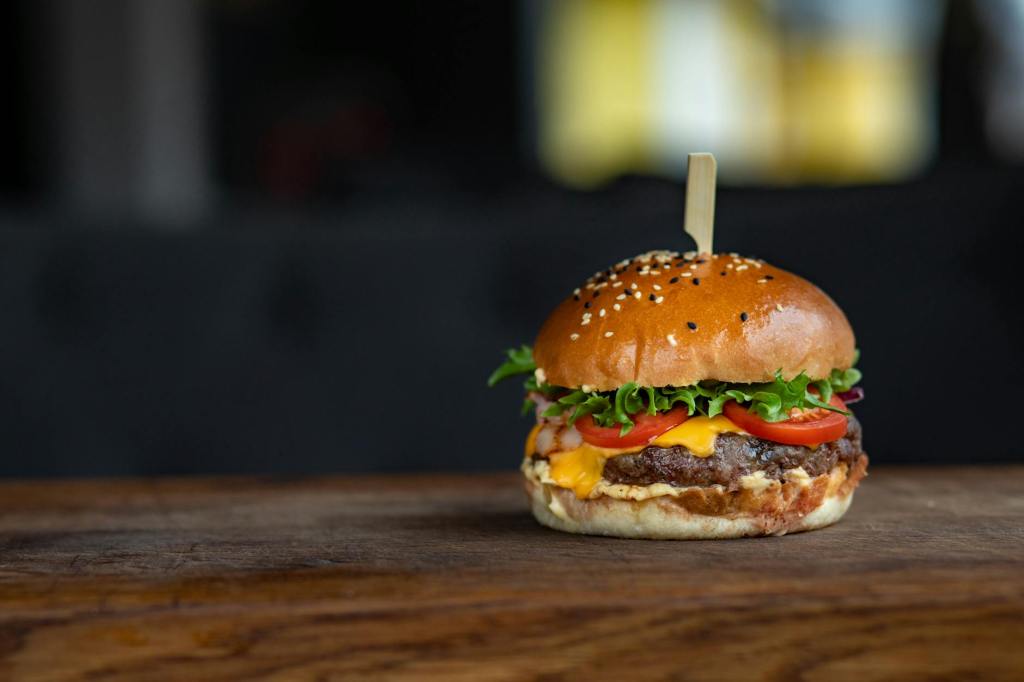
The chain becomes even more convoluted when you look at meat products. Consider the corn or soy fed to cattle. They follow all the same steps up until being shipped to a store. Instead, they are shipped to a feedlot and fed to cattle. This is where things get really wild! Animals are horribly inefficient at converting calories in to meat calories for us. Depending on the resource, cows need ~10-15 lbs of feed to produce one pound of edible meat. This equates to 10-15 times the amount of land, water, fertilizer, pesticides, transportation, etc. than if we had simply eaten the grain ourselves. Half the water from the Colorado River is used for livestock feed (NYTimes link) placing incredible strain on the river system. All for the American meat and dairy addiction. Around the world deforestation is being driven by need for animal feed or animal range. It all has immense impact.
In short, what we eat has consequences around the world. If we fed fewer cattle, we could feed more people, or we could preserve more rainforest, or maybe even do both!
A little transition here, stay with me.
If you have been involved in church for long enough, you know about the season of Lent. But a summary for those who don’t know. Lent is a period of 40 days (excluding Sundays), beginning with Ash Wednesday and ending with Easter. It is most strongly associated with the Catholic church, but other denominations have their own practices. It is a period of time for Christians to focus on the events leading up to the crucifixion of Jesus Christ. As a result of Jesus’s sacrifice for us, many give up something important to them during Lent to recalibrate their life according to God’s priorities.
So what does Lent have to do with our title?
Matt and I have decided to go vegetarian (not vegan, we will eat eggs and dairy) during Lent this year within our home. We have plenty of experience dallying in meatless meals, but have never been so thoroughly invested in choosing this lifestyle. For us, it is a way to honor God and release ourselves from feeling the necessity to have meat for every(ish) meal. We’ll leave ourselves the option to consume meat on Sundays and if we are out visiting friends for a meal. The hope is that this period of time will help us align our diet with our sustainability goals. In the long run, it is not about eating no meat, but to reserve it for those truly special occasions. To match meat consumption of more traditional societies when it was more expensive and hard to come by.
The people of Biblical times ate meat of course, but you’ll notice that slaughtering the fattened lamb or calf was reserve for special feasts. Telling us that meat was likely not a daily part of their diet. If the Hebrews ate anything regularly, it was most likely fish, especially around the Sea of Galilee.
Native people around the world were mostly hunter-gatherers eating meat only when they were lucky enough to hunt some, preserving all they could, knowing the next hunt was no guarantee.
This was the way that God wrote the rules of nature. That meat products would be sustainable in limited quantities. This Lent we choose to honor that by our choice.
Remember that every decision is a climate decision, a vote for the future world we want to live in.
 Creation Care Mom
Leave a comment