As far as I know, most, if not all, church denominations have some sort of compassionate ministry. The exact dimensions of the ministry might vary, but they seek to share the gospel of Jesus through meeting human physical, mental, and emotional needs. It can look like building water wells, sponsoring children, fighting human trafficking, emergency relief programs, health care programs, immigration or refugee support, or running/building schools.
Do you know how climate change and weather instability are effecting these programs in your church (denomination)?
Do you know that well structured programs can decrease overall carbon dioxide emissions?
There are two very important ways that our compassionate ministry programs can also help fight climate change.
Educating women and girls is increasingly important for us to meet our climate goals. Educated women have higher wages, get married later, and have fewer children. They are more resilient in the face of disaster and thus less likely to be trafficked. Less likely to contract HIV/AIDS and malaria, their family garden plots are more productive and families better nourished. This has two fold environmental effects. Slowing population growth decreases future emissions. Better stewardship of lands, decreases deforestation. The right farming education can even lead to farms absorbing carbon from the atmosphere!
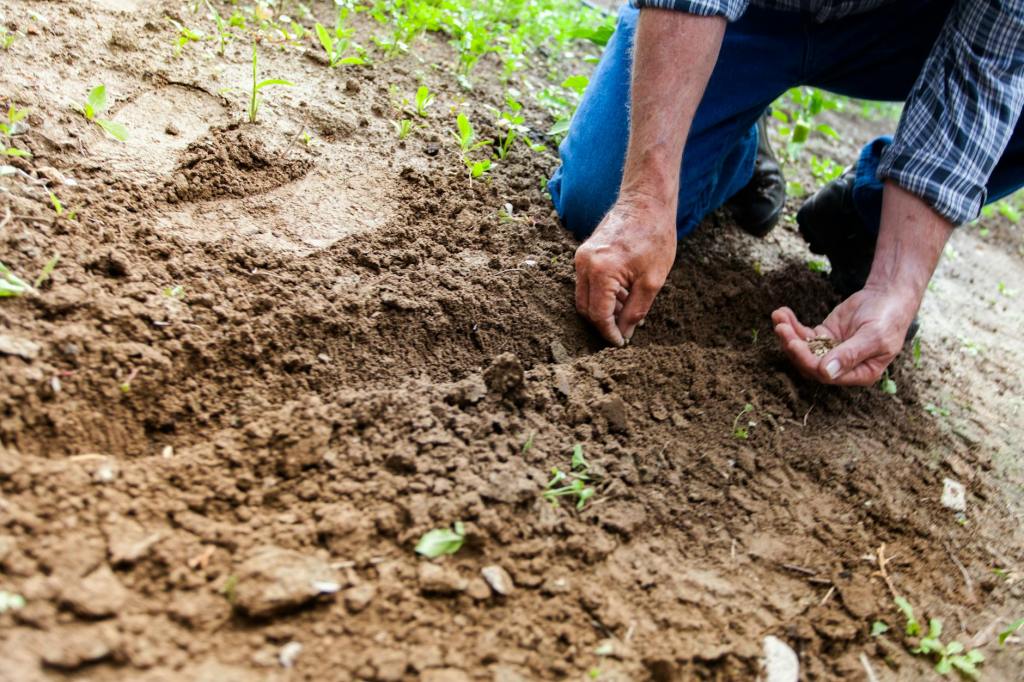
This takes us to our second compassionate ministry. Food programs. Specifically programs that provide training, education, supplies, or microfinance for farming and/or ranching. The people these programs generally serve are smallholder farms (5 acres or less). As such, the methods that make big profits for agricultural conglomerates, don’t really apply well here. We actually need to be careful that these programs truly help. Proper education and tools can help these farmers build resilience with less manufactured inputs and more diversity. There are several techniques that could be promoted, all of which increase carbon stored in the soil while ALSO increasing yields and soil fertility. A win-win for us all!
Here is a a list with links from Drawdown.org.
- Conservation Agriculture
- Regenerative Agriculture
- Farmland Irrigation Efficiency
- Managed Grazing
- Multistrata Agroforestry
- Perennial Staple Crops
- Silvopasture
How can we expand our compassionate ministry to build resilience to changing climate? Fighting energy poverty. It is well know that communities with access to clean water are more likely to thrive. Bringing electricity to a home or community encourages growth and development not possible without. It also provides the ability to receive warnings of natural disasters before they strike.
When I did my study abroad semester in Costa Rica, we were required to leave the country for a period of time to renew our visas. That semester we spent two weeks in Nicaragua. During that time, we did some sightseeing, but also spent a week in extreme rural Nicaragua. We were so remote that no roads went to this village. The vehicles that brought us there drove up a dry stream bed. Due to its remote nature, this village had no access to the national electric grid. This meant no lights, no tv, no radio, no electric cooking. The productive day ended when the sun went down. Little to no news from the outside world made it in. I was lucky to stay with the one home that had solar panels installed. These solar panels and battery backup allowed them to have lights, tv, and a radio. Improving their quality of life. While we were there, we volunteered our time to install a couple other solar systems on other homes. We also worked with them to lay pipe for additional clean water access. Even though I will never know the full outcome of that volunteered time, I know in my gut that both water and electricity have increased the health and productivity of that community.
With electricity and a radio, they can hear weather forecasts, and so are better prepared for deluge or drought. Without electricity, these communities would know nothing of the COVID pandemic, or any other health crisis. Lights allow students to study after dark, or women to mend/make clothing or other products. Remember that in equatorial regions the sun rises about 6 am and sets around 6pm all year round. Imagine the productivity and educational gains with 2-4 hours more of light! Solar power can charge phones, giving remote areas access to the internet and all of the information it contains. Energy poverty is a real problem that our compassionate ministries could work to solve alongside clean water and education initiatives.
The most likely source of power in remote areas will be wind or solar paired with batteries for storage. The price for these systems has dropped so much that they are simply the better option than providing a diesel generator (which will need more fuel eventually). So yes, it is better for the environment, but it is ALSO just BETTER.
Can we do compassionate ministry better? Can we use our limited resources better to provide for others needs? Absolutely. And as a side effect, we can help the planet.
Remember every decision is a climate decision. Every decision a vote for our future.
 Creation Care Mom
Leave a comment