This winter was unseasonably warm across the Western US. That held true here in Utah too. It was 60 degrees on Christmas with no snow in sight. In fact, it was the warmest winter (Dec-Feb) on record in Salt Lake City, breaking the 2015 record by 2 degrees, and coming in at 7.6 degrees above average. We also set records for the highest overnight temperature at 59 degrees and had multiple days in the 60s during December.
Living here, it was obvious. December didn’t feel like winter at all, just an elongated fall season. Grass was green, bees and wasps were still buzzing around. Bursts of cold would interrupt stretches of abnormal warmth, but often with very little precipitation. What little that fell often came down as rain instead of snow. As a mom, it was great to be able to continue to take my son to the park after work and on weekends rather than be stuck inside with a wild child, BUT I also missed out on making snowy memories. We managed only one sledding trip and one trip out to ski this year. In fact, we would’ve had more snow in Kansas than Utah. There was never enough snow to make a snowman, forget building any kind of fort or throwing snowballs.
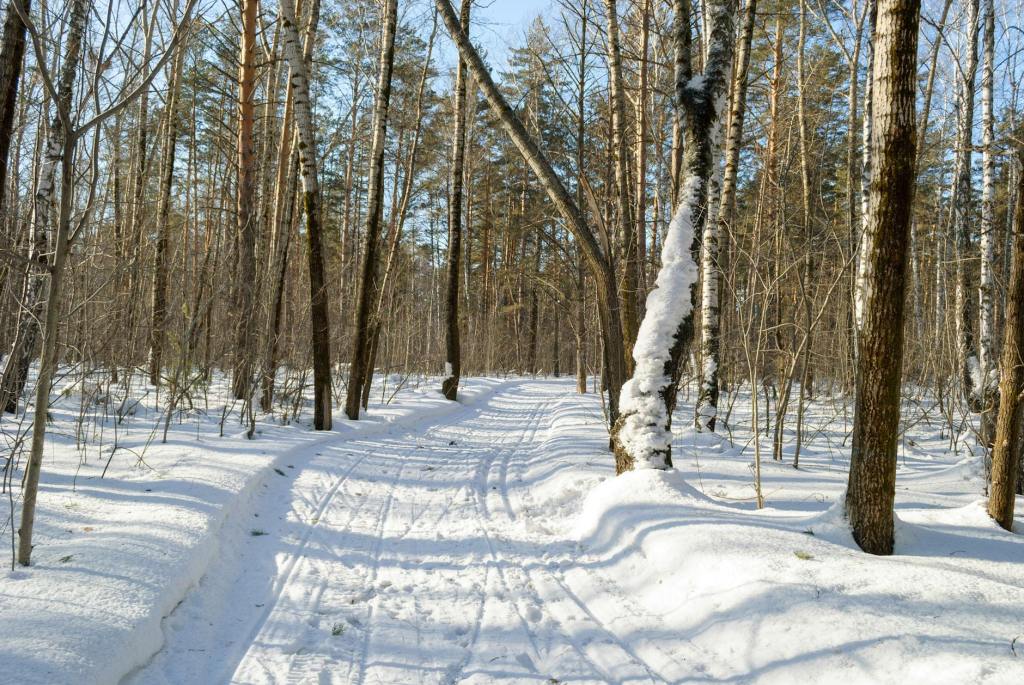
The few days we were able to get out and play in the snow were a joy. James loved sledding, even wanting to go down the monster hill with the big kids. He survived falling out of the sled with his dad and still asked for more. He an I went skiing the one Saturday in February that had enough snow. Checking out the closest groomed cross-country ski trails, I threw him in the backpack and took him around for about an hour. Then, his little cross-country skies got their first use as we traipsed back and forth on a slight inclined trail. He learned quickly how to shuffle his feet to move up the hill, and then we would turn around and ski down together, him between my legs, my arms helping him balance. I can’t wait for next year! Another year older, he will be able to do so much more!
Matt and I kept hoping for a big storm to come through that would allow me to take him downhill skiing for the first time, but it never materialized. Maybe next year.
Why does this matter?
As in most of the Western US, Utah sources most of its water from snow melt, stores it in reservoirs for use later in the summer. This water is used to irrigate crops, water lawns, and supply cities. Although not the driest winter on record when measuring water content, it comes in a close second. And we have had much earlier melting this year due to abnormally high temperatures continuing into March. (Salt Lake City has already seen 80 degrees this year more than once!)
There are already cries from multiple agencies and municipalities to voluntarily reduce water use now in order to save as much water as we can for later in the hot summer. Suggestions such as waiting to water the lawn until it looks distressed, not watering until after May 1, converting lawn to xeriscape landscaping, and opportunities for reduced cost rain barrels. All in an attempt to stave off more server water restrictions.
Only time will tell if it will work. We are finally going to receive more precipitation this week, valley rain, mountain snow (fingers crossed!), and the temp will drop to closer to average +5-10 instead of +20-30. The 3 month outlook for April-June indicates this might just be a short reprieve showing expectations of warmer and drier during those three months.
So where does that leave us?
Most of the people I talked to this winter were well aware that this weather pattern was abnormal. People who have lived here their whole life had never seen anything like it. It’s just another way that extra greenhouse gases in the atmosphere is exacerbating normal weather pattern swings. There have always been winters that are warmer and winters that are colder, winters that are wet and winters that are dry. But as the planet warms, we load the dice and lock in higher odds for extremes. It’s like having a die that has a 6 on 4 sides instead of 1. Much more likely to see the extreme. This doesn’t mean next year will be the same, but it does mean there is a higher likelihood that this pattern will show up again in the not so far off future.
And what does all this have to do with fire season? Come back next week as I dive into that!
 Creation Care Mom
Leave a comment