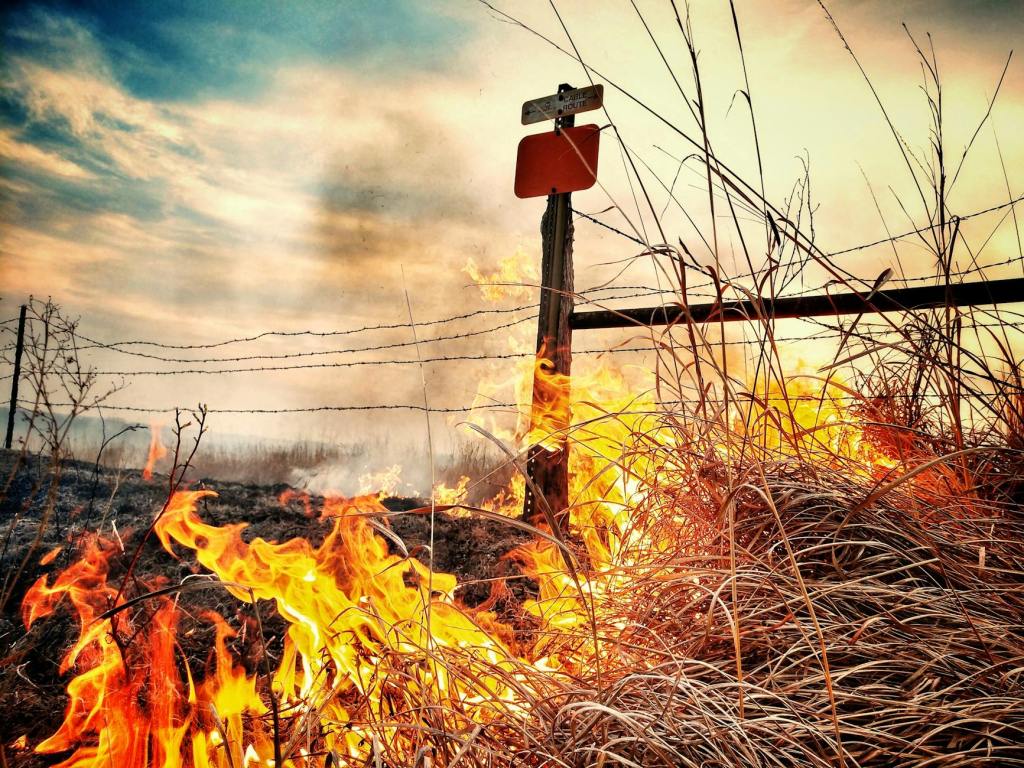
In August 2025, fueled by strong winds and dry conditions, a vehicle fire sparked a brush fire on the mountain hillside of the valley we now call home. Over 150 homes were evacuated for a few days and about 600 acres, but no structures, ended up burning. However, the location was under the high voltage power lines that bring power into the valley. As a safety precaution, power was cut to those lines while fire crews worked the area. The resultant power outages were unexpected and farther reaching.
As I left home that day, the smoke plume was obvious, but it wasn’t until I made it further into town and hit all the out traffic lights that I learned of the power loss. Que changing dinner plans and, frantically, figuring out where to buy ice to keep refrigerated and frozen things cold. There was no knowledge of how long the power might be out. We ended up building beds out of couch cushions in the basement family room because it was cooler down there and with no AC upstairs was heating up. Power came back on briefly the next day, but was cut again for several hours a little later before being back online permanently later in the evening.
We were lucky. We could be inconvenienced for a couple days and come out fine. Different conditions could have made it so much worse. We weren’t prepared to be powerless for any longer than a couple days. At it was, it took about 10 days for the fire to be contained and then burn itself out.
A lot of times we talk about the physical destruction caused by wildfires, but there are so many cascading effects. The sheer amount a food waste, refrigerated and frozen products, lost when power is cut for any reason was staggering to sit with. The health effects from smoke inhalation, medication spoilage, and also the anxiety from seeing flames on the hillside. The lost wages for employees whose place of work is inside and evacuation zone, and heat exposure from lack of AC.
As we look forward to this summer, there is no expectation that it will be an easy fire season. The moisture “banked” in snow in our mountains, is far short of where it needs to be. Heat has arrived early thanks to our atmosphere warming up. Fire season just keeps getting longer which ups the odds that more damage occurs.
None of this is new to me. I’ve lived in western mountains most of my life. Wildfire has a place in this ecosystem and almost no year is fire free. It just hits different when its so close to home. Here in the Ogden valley, our summer air quality can be significantly impacted by fire both near and far as mountains trap smoky haze for weeks on end.
So what now?
We have bought a home and will be moving out of our rental in the next 3ish months. As soon as we can afford to, we will be installing solar panels with battery backup. Why? Because the US power grid is fragile and to reduce our reliance on fossil fuels. But also, so that we can care for our neighbors if we face a mass grid blackout again. To have a safe space for neighbors to come to, sounds a lot like the hands of Jesus to me.
What is one thing you could do to make your home more resilient to local natural disasters? In the midst of disaster have you thought about how you can/will care for neighbors that may struggle?
 Creation Care Mom
Leave a comment